Common Causes of Concrete Foundation Damage
To address common causes of concrete foundation damage, local contractors can assess issues like soil movement and water intrusion to provide effective repair solutions.
Understanding the common causes of concrete foundation damage is essential for property owners looking to protect their investments. Foundations can face issues due to a variety of factors, such as soil movement, poor drainage, or fluctuations in moisture levels. Recognizing these potential risks helps homeowners and property managers take proactive steps to prevent costly repairs down the line. Local contractors who specialize in foundation repair are equipped to diagnose these issues accurately and recommend practical solutions to maintain the stability of a structure.
For those in the area concerned about the longevity of their foundation, exploring the root causes of damage can provide valuable peace of mind. Whether it's addressing drainage problems or soil settlement, knowledgeable service providers can help assess the situation and suggest appropriate repairs. Staying informed about these common issues ensures that property owners can act promptly, minimizing damage and preserving the integrity of their buildings. Keep reading to learn more about how local experts can assist with foundation concerns and help keep properties safe and sound.
- when persistent moisture or water intrusion causes cracks or settling in a concrete foundation, local contractors can evaluate and perform necessary repairs. - if uneven or shifting concrete is observed due to soil movement or erosion, service providers can stabilize and reinforce the foundation. - in cases of cracking or bowing caused by tree roots or excessive weight, local pros can implement solutions to prevent further damage. - when concrete deterioration results from poor drainage or improper grading, local contractors can correct water flow and repair the foundation. - if signs of foundation movement appear after extreme weather events, service providers can assess and address underlying issues to restore stability.
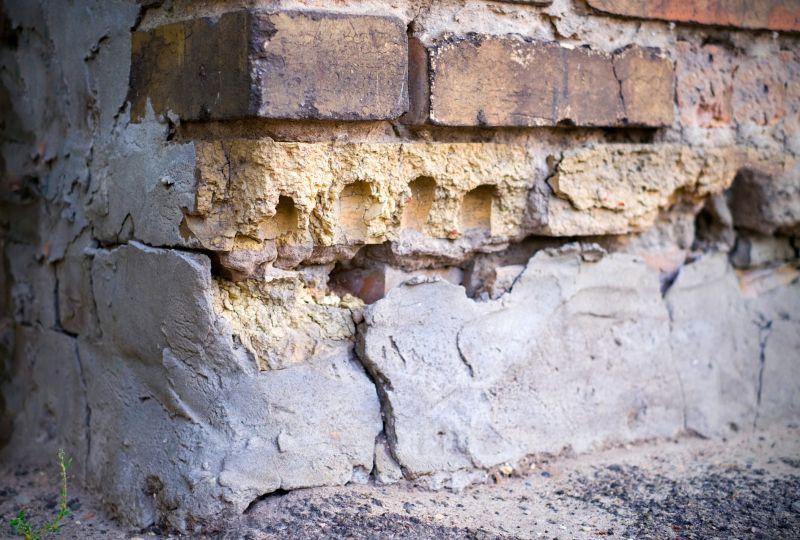
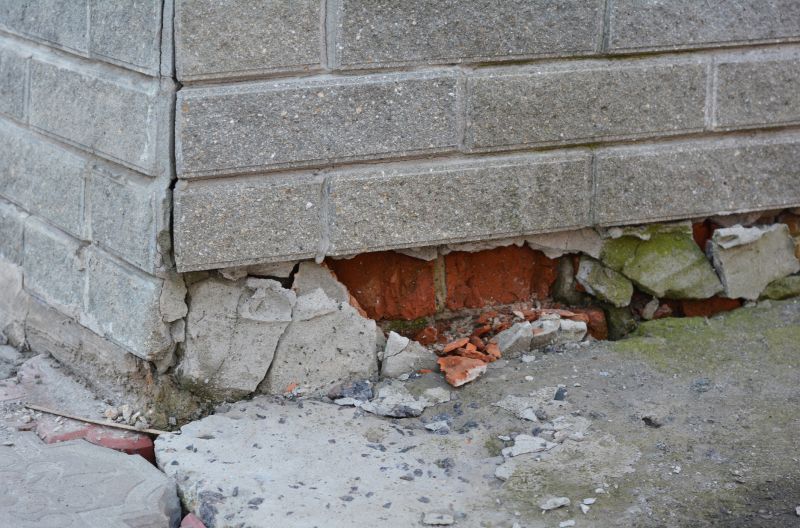
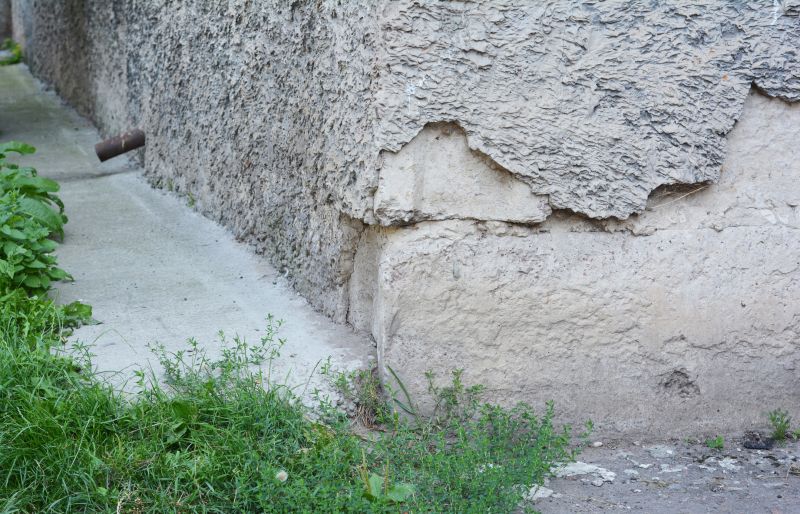
Understanding the common causes of concrete foundation damage is essential for homeowners who want to protect their property and ensure its longevity. When people search for this topic, they often aim to identify the underlying issues that can lead to cracks, shifting, or settling in their foundation. These problems can affect the structural integrity of a home, causing doors and windows to misalign or floors to become uneven. By recognizing what causes such damage, homeowners can better plan repairs and maintenance, and they can also work with local contractors who specialize in foundation repair to address these issues effectively.
Many foundation problems originate from external factors related to soil conditions and moisture levels. For example, expansive clay soils tend to swell when wet and shrink when dry, exerting pressure on the concrete and causing cracks or movement. Poor drainage around a property can lead to water pooling near the foundation, which accelerates soil erosion or causes the soil to swell and shift. Additionally, plumbing leaks or improper grading can introduce excess moisture into the ground, further destabilizing the foundation. These issues are common in residential properties, especially in areas with variable weather or poorly maintained landscaping, making it important for homeowners to understand how moisture management impacts foundation health.
Another common cause of concrete foundation damage is the natural settling process that occurs over time. Foundations are designed to support the weight of the structure, but as the soil beneath shifts or compresses, the foundation can settle unevenly. This process can be accelerated by construction activities nearby, such as excavation or heavy traffic, which disturb the soil stability. Older homes are particularly susceptible to this type of damage, especially if they were built on poorly prepared ground. Recognizing signs of settlement early, such as diagonal cracks or uneven floors, allows homeowners to seek the help of local service providers who can evaluate the extent of damage and recommend appropriate repair strategies.
Property type and location play a significant role in the likelihood of foundation damage. Homes built on expansive clay, sandy soil, or areas prone to flooding face higher risks of damage caused by soil movement and moisture fluctuations. Commercial buildings and multi-family residences may also experience unique challenges due to their size and foundation design. Regardless of property type, it is important for homeowners to understand that foundation issues are often interconnected with soil and environmental factors. Connecting with experienced local contractors can help address these causes directly, providing solutions that stabilize the foundation and prevent further damage. These professionals can assess the specific conditions of a property and recommend tailored repair plans to restore stability and protect the investment.
Concrete repair projects - these tasks involve assessing and fixing cracks or damage in concrete surfaces, utilizing skills similar to foundation repair to restore stability.
Drainage system installation - proper drainage planning is essential to prevent water-related foundation issues, requiring knowledge of site grading and underground piping.
Soil stabilization services - addressing soil movement and compaction issues that contribute to foundation settling involves planning and ground treatment techniques similar to foundation repair.
Basement waterproofing - protecting foundations from water intrusion involves waterproofing methods that are often part of repairing damage caused by moisture and poor drainage.
Excavation and site prep - preparing the ground for construction or repairs involves excavation skills and understanding soil conditions that impact foundation integrity.
Structural reinforcement projects - strengthening existing structures to prevent or repair damage shares planning and material knowledge with foundation damage repair services.
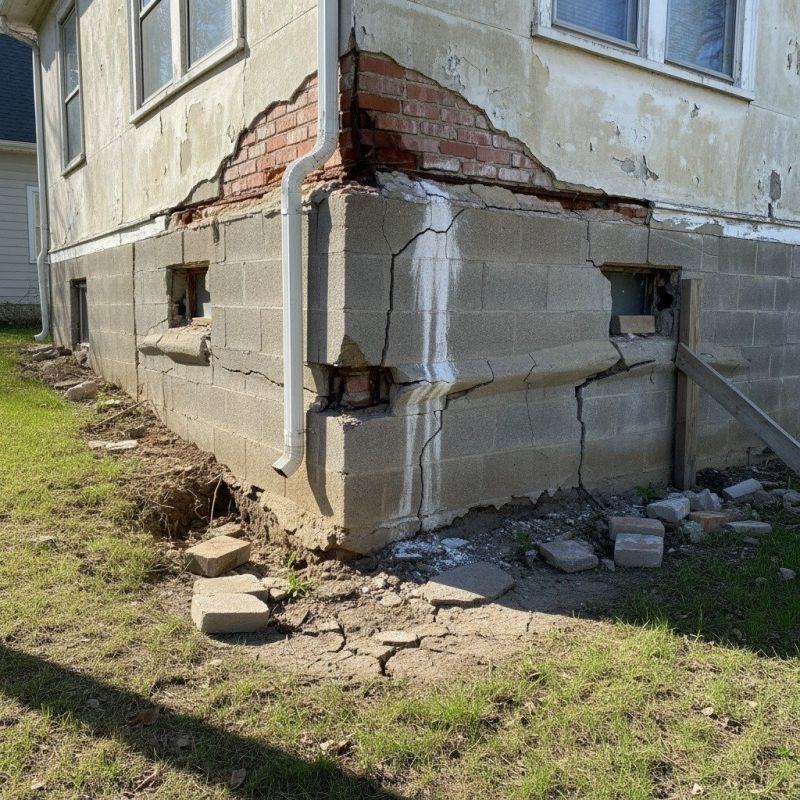
When comparing service providers for foundation damage repair, it is important to consider their experience with similar projects. Homeowners should inquire about how long a local contractor has been working on foundation repairs and whether they have handled cases involving common causes of concrete foundation damage, such as settling, water intrusion, or soil movement. An experienced contractor is more likely to understand the underlying issues that lead to foundation problems and can recommend solutions that address the root causes effectively. This familiarity ensures that the repair approach is appropriate for the specific conditions of the property, reducing the risk of future issues.
Clear written expectations are essential when evaluating foundation repair services. Homeowners should seek detailed estimates that outline the scope of work, the methods to be used, and the materials involved. Well-defined expectations help prevent misunderstandings and ensure that both parties are aligned on what the project entails. Reputable service providers will be transparent about what is included in the repair process and will be willing to explain their approach to addressing common causes of concrete foundation damage. Having this clarity allows homeowners to make informed decisions and select a contractor who communicates openly and thoroughly.
Reputable references and good communication are key factors in choosing a foundation repair contractor. Homeowners are encouraged to ask for references from previous clients who had similar work done, especially related to common causes of foundation issues. Contacting past customers can provide insight into the contractor’s reliability, workmanship, and ability to manage projects effectively. Additionally, a service provider’s responsiveness and clarity during the initial consultation can be indicative of how well they will communicate throughout the project. Good communication ensures that homeowners stay informed about progress and any potential concerns, contributing to a smoother repair process.
Property owners often search for common causes of concrete foundation damage when they are planning practical projects around their homes and businesses. Local pros provide Foundation Damage Repair services for everyday jobs and straightforward project options.
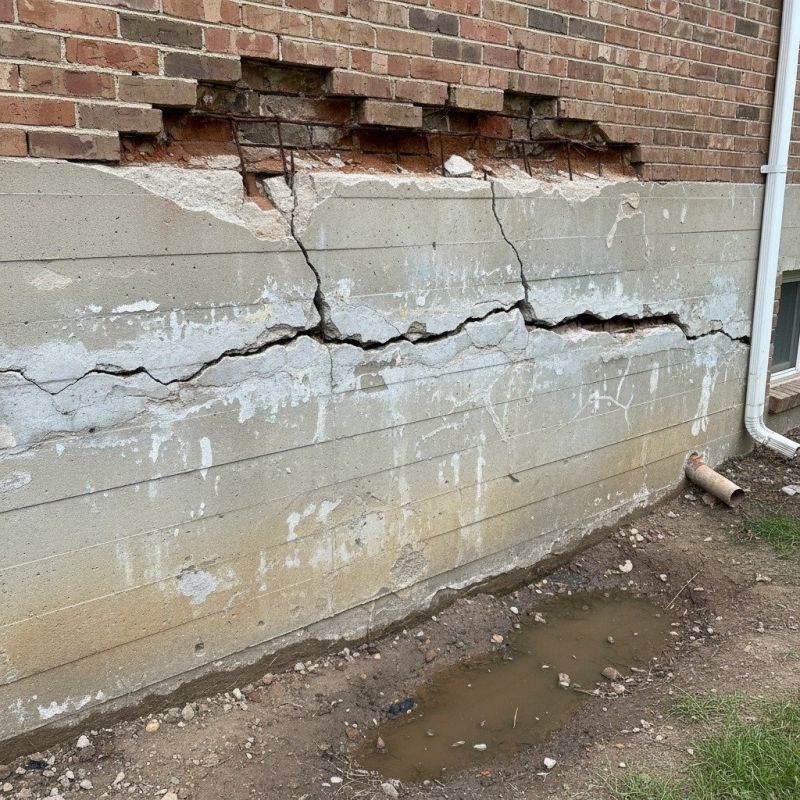
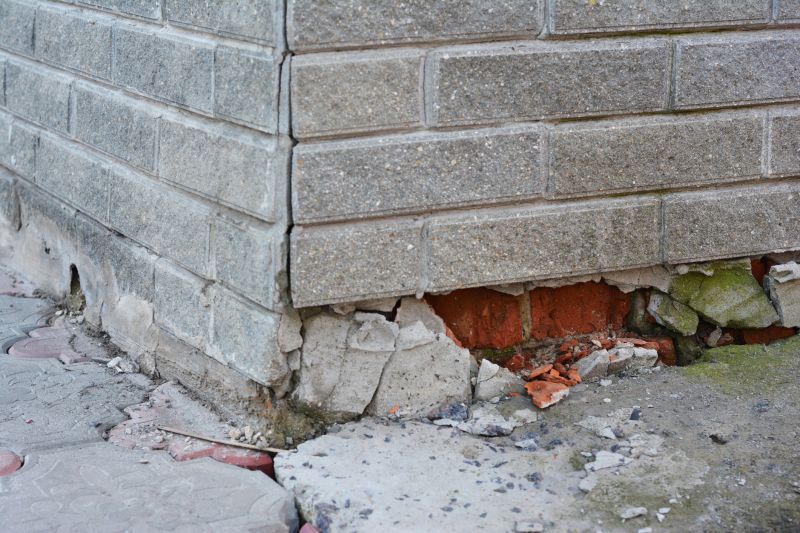
Understanding the common causes of concrete foundation damage can help property owners identify early warning signs and prevent costly repairs down the line. In many cases, issues such as poor soil conditions, inadequate drainage, or fluctuations in moisture levels contribute to foundation problems. For homeowners undertaking landscaping projects or exterior renovations, it’s important to be aware of how changes to the ground around the property can impact the foundation’s stability. Local contractors experienced in foundation repair often see damage resulting from these everyday situations, emphasizing the importance of proper planning and drainage solutions.
Other frequent factors include the natural settling of the soil over time and exposure to freeze-thaw cycles, which can cause cracks and shifting in the concrete. Improperly poured or maintained foundations may also be vulnerable to damage caused by heavy loads or nearby excavation work. Property owners in the area who notice cracks, uneven floors, or sticking doors should consider consulting local service providers specializing in foundation repair. These professionals can assess the specific causes of damage and recommend appropriate solutions to help restore the stability and integrity of the concrete foundation.
What are common causes of concrete foundation damage? Common causes include soil movement, water infiltration, poor drainage, and tree root intrusion, all of which can compromise the stability of a foundation. Local contractors experienced in foundation repair can assess these issues and recommend appropriate solutions.
How does soil movement lead to foundation damage? Soil can expand or contract due to moisture changes, causing shifting or settling of the foundation. Skilled service providers can identify soil-related problems and perform repairs to stabilize the foundation.
Can water issues cause damage to a concrete foundation? Yes, excess water from leaks, poor drainage, or high groundwater levels can weaken the concrete and cause cracks or settling. Local foundation repair experts can address water-related concerns to prevent further damage.
What role do tree roots play in foundation damage? Tree roots can grow underneath or near the foundation, exerting pressure and causing cracks or movement. Experienced contractors can evaluate root-related issues and suggest effective repair strategies.
Are poor construction practices a common cause of foundation damage? Yes, improper concrete mixing, inadequate reinforcement, or poor site preparation during construction can lead to early foundation problems. Local service providers can repair and reinforce foundations affected by these issues.
Soil movement and shifting - understanding how soil expands or contracts can help property owners identify when foundation issues might occur, making it easier to seek timely repair services from local contractors.
Poor drainage and water management - ensuring proper drainage around a property can prevent excessive moisture buildup that causes foundation cracks, with local service providers offering solutions to improve drainage systems.
Tree roots near the foundation - recognizing the risk of roots growing too close to the foundation helps owners plan for root removal or barrier installation, which local pros can perform to protect the structure.
Foundation settlement or uneven sinking - detecting signs of uneven settling early allows property owners to work with local contractors on stabilization and repair projects to prevent further damage.
If you are thinking about common causes of concrete foundation damage for a property, this guide is meant to help you understand this topic, the typical project types, and how different options might fit your plans.
When you are ready, you can use the quote form on this page to share a few details about your project. From there, local pros can review the basics and follow up with options that match what you have in mind.