
Leading Foundation Repair Solutions For Lasting Home Stability
Learn about top-performing products that help you effectively address foundation problems and maintain structural health.
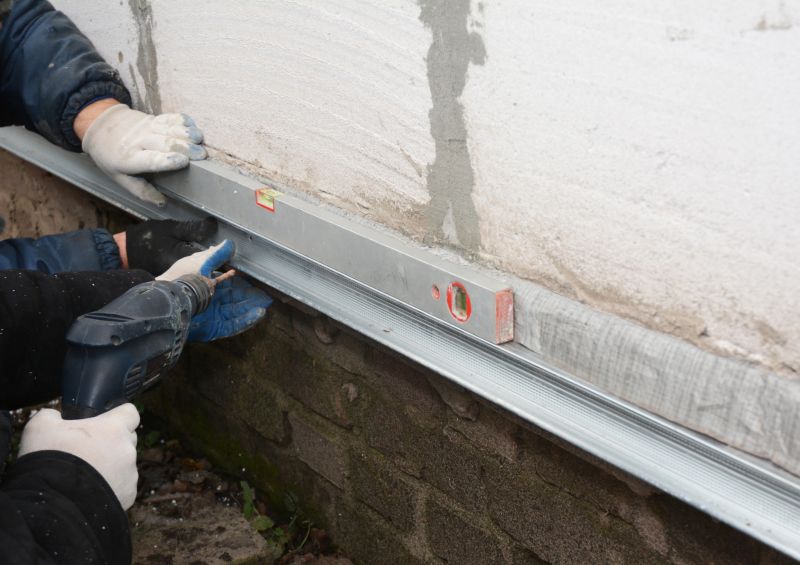 Foundation repairs are essential for maintaining the stability and safety of a structure, especially in areas prone to soil movement or moisture fluctuations. When considering foundation repair products, it is important to understand the various options available, each designed to address specific issues such as settling, cracking, or shifting. These products can help reinforce the existing foundation, fill voids, or lift sagging sections, ultimately contributing to the longevity of the building.
Top Overall Option
Polyurethane Foam Foundation Lifting and Stabilization System
Polyurethane foam systems are versatile and minimally invasive solutions for lifting and stabilizing foundations. They expand upon application, filling voids and lifting sunken sections with precision. These systems are suitable for minor to moderate foundation issues, providing quick and effective stabilization without extensive excavation. Their ease of use and quick curing times make them a popular choice among professionals and homeowners alike.
Types of Products For Foundation Repairs
Carbon Fiber Reinforcement Straps
Used to reinforce cracked or bowed walls, these straps add strength and prevent further movement.
Helical Piles and Screw Anchors
Deep foundation supports that transfer load to more stable soil layers, ideal for settling issues.
Mudjacking and Slab Jacking Kits
Materials used to lift and level sunken concrete slabs through injection beneath the surface.
Polyurethane Foam Injection Kits
Injectable foam that lifts and stabilizes foundation sections with minimal disruption.
Steel Push Piers
Heavy-duty supports driven into bedrock or stable soil to lift and stabilize foundations.
Concrete Underpinning Systems
Additional concrete supports installed beneath the foundation to improve stability.
Wall Braces and Anchors
Devices that reinforce basement or crawl space walls to prevent bowing or cracking.
Drainage and Moisture Control Products
Systems designed to manage water flow and reduce soil erosion around foundations.
Grout and Epoxy Injection Kits
Materials used to fill cracks and restore integrity to cracked concrete or masonry.
Soil Stabilization Additives
Chemical solutions that improve soil compaction and reduce shifting beneath foundations.
Foundation Repair Sealants
Sealants used to prevent water infiltration and seal surface cracks.
Vibration and Compacting Equipment
Tools to compact soil around the foundation to reduce settlement.
Hydraulic Lifting Jacks
Manual or hydraulic jacks used to lift and level sections of the foundation.
Drainage System Installations
French drains, sump pumps, and other systems to divert water away from the foundation.
Foundation Monitoring Sensors
Devices to track shifts or movements in the foundation over time.
Popular Choices
Widely used for quick lifting and stabilization with minimal excavation.
Commonly selected for their strength and ability to support heavy loads.
Preferred for their adaptability to various soil conditions and load requirements.
Often chosen for their durability and long-term stability.
Popular for addressing bowing basement walls and preventing further cracking.
Effective for leveling uneven concrete surfaces in driveways and patios.
Frequently installed to mitigate water-related foundation issues.
Commonly used for sealing cracks and restoring concrete integrity.
Chosen for sealing surface cracks and preventing water intrusion.
Utilized to improve soil stability around the foundation.
Widely used for precise lifting and leveling tasks.
Popular for effective water diversion away from foundations.
Commonly installed to manage groundwater and prevent basement flooding.
In Parker, Colorado, where soil conditions and weather patterns can influence foundation stability, selecting the appropriate repair products is crucial. Homeowners and contractors should evaluate the severity of foundation issues and choose products that are compatible with local conditions. Proper installation and the right product selection can make a significant difference in the effectiveness of repairs, preventing further damage and preserving property value.
While many foundation repair products are available on the market, understanding their specific applications and limitations can help in making informed decisions. Some products are designed for minor cracks and surface leveling, while others are suitable for more extensive structural reinforcement. Consulting with foundation specialists or structural engineers can provide tailored recommendations based on individual needs and site conditions.
Investing in quality foundation repair products not only addresses current issues but also offers peace of mind for the future. Regular inspections and maintenance, combined with the appropriate products, can help ensure that a building remains safe and stable over time. Whether dealing with an aging structure or recent settlement problems, selecting the right foundation repair solutions is a critical step toward safeguarding your property.
Key Buying Considerations
- Assess the severity and type of foundation issues to determine suitable products.
- Consider the soil conditions and how they influence product choice and installation methods.
- Evaluate the long-term durability and compatibility of repair materials with existing structures.
- Determine whether the repair requires minimal invasiveness or more extensive underpinning.
- Check for ease of installation and whether professional assistance is recommended.
- Review product specifications for load capacities and expansion properties.
- Ensure products meet local building codes and safety standards.
- Consider the environmental exposure, such as moisture levels and temperature fluctuations.
- Research the manufacturer’s reputation and warranty options for the products.
- Factor in the cost-effectiveness and potential need for future repairs or maintenance.
- Look for products that offer clear instructions and support for proper application.
- Identify whether the products are suitable for residential or commercial applications.
- Determine the compatibility of repair products with existing foundation materials.
- Assess the speed of installation and curing times to minimize disruption.
- Investigate if the product can be used in conjunction with other repair methods for comprehensive solutions.